

How to Buy Vintage Luxury Bags: A Collector's Guide
Last Updated: October 23, 2026
Quick Summary
To buy vintage luxury bags, you need knowledge of authentication markers like serial numbers and hardware quality, understanding of condition grading, and access to reputable sellers who guarantee authenticity. Start by learning brand-specific production details, evaluate patina versus wear, and prioritize pieces from specialized boutiques or platforms with rigorous authentication standards.
- Verify authenticity by checking serial numbers and date codes specific to each brand and year, examining hardware weight and precision, and assessing stitching quality and material consistency.
- Condition grading ranges from Mint or New to Fair or Acceptable, with Very Good representing the sweet spot for collectors seeking wear-consistent bags that remain structurally sound.
- Reputable sellers specialize in vintage luxury, provide detailed multi-angle photography, disclose condition flaws transparently, and offer authenticity guarantees with reasonable return policies.
- Vintage pieces often cost less than modern re-editions and preserve original design intent, while offering rarity and finite supply that contemporary production cannot replicate.
Table of Contents
- Understanding the Vintage Luxury Bag Market
- How to Authenticate a Vintage Designer Bag
- How to Assess Vintage Handbag Condition
- Vintage vs. Modern Designer Bag Re-editions
- Where to Shop for Vintage Luxury Bags
- Evaluating Seller Reputation and Buyer Protection
- Building Your Collection: Investment and Personal Style
- Frequently Asked Questions
Understanding the Vintage Luxury Bag Market
When you buy vintage luxury bags, you need knowledge, patience, and a clear sense of what makes a piece worth acquiring. At LuxuryEliteFinds, we source rare and authentic designer handbags for collectors who understand that true luxury transcends seasons and trends.
Vintage designer bags offer access to iconic silhouettes, discontinued styles, and limited editions that modern collections cannot replicate.
What separates successful collectors from frustrated buyers is understanding authentication, condition assessment, and where to shop.
Iconic Styles Worth Collecting
Certain vintage handbags have transcended their original moment to become genuinely collectible. The Chanel 2.55 and Classic Flap remain the gold standard; introduced in 1955, these quilted leather bags with their signature CC turn-lock have held cultural relevance for seven decades.

The Dior Saddle Bag, designed by John Galliano in the early 2000s, experienced a remarkable resurgence.
Fendi Baguettes represent a different category of collectibility.
Vintage Gucci from the Tom Ford era (1994-2004) occupies its own tier. His reinterpretation of house codes, the horsebit, the Web stripe, bamboo handles, created pieces both timeless and distinctly of their moment.
Louis Vuitton monogram canvas bags from the 1980s and 1990s remain perpetually relevant, though the market has become more selective.
Why Collectors Choose Vintage Over Modern
The decision to buy vintage luxury bags rather than new reflects more than nostalgia.
Rarity drives another segment of vintage buyers. Once a style is discontinued, it becomes finite, and that scarcity creates genuine investment potential through actual supply constraints.
There's also the authenticity of design intent. Vintage pieces represent the aesthetic vision of their era without modern production economics or contemporary market trends.
How to Authenticate a Vintage Designer Bag
Authentication separates confident buyers from anxious ones. Counterfeiting in luxury is sophisticated and persistent, but genuine vintage pieces leave consistent, verifiable traces that let you evaluate authenticity with real confidence.
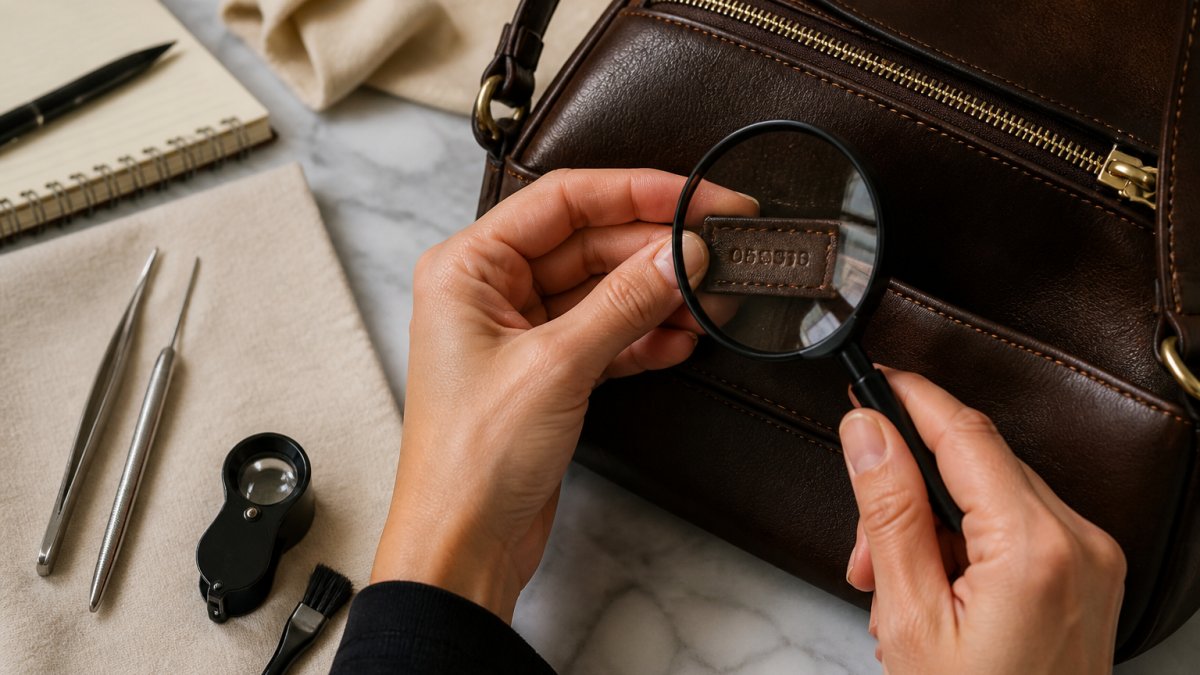
Serial Numbers and Date Codes
Most luxury handbags manufactured after the 1980s include serial numbers, date codes, or both.
Chanel bags typically feature a serial number embossed or printed inside a small leather pocket.
Dior bags include date codes stamped inside, usually on a leather tab or the interior lining. The format, typically two letters followed by numbers, corresponds to specific production years and quarters; a 2002 Dior Saddle Bag should carry a code that decodes to 2002.

Gucci uses serial numbers that follow era-specific patterns. Tom Ford-era Gucci bags (1994-2004) have distinct formats that differ from both earlier and later production.
Louis Vuitton embosses date codes inside bags in a specific format: two letters representing the factory location and production year, followed by two or three numbers indicating the week and year. These codes are consistent and verifiable.
The key: research the specific format for the brand, style, and year you're evaluating. Then cross-reference what you see on the bag. Inconsistencies are dealbreakers.
Hardware, Stitching, and Materials
Counterfeiters often get the overall silhouette right while cutting corners on details. Hardware reveals these shortcuts immediately.
Genuine luxury hardware, zippers, turn-locks, D-rings, chains, has weight and precision; counterfeit hardware feels cheap, moves loosely, or shows uneven plating.
Stitching is where craftsmanship becomes visible. Luxury bags use specific stitch counts and patterns; Chanel's quilting follows precise geometric patterns, and stitching should be perfectly even with consistent tension throughout.
Materials in vintage bags often differ from modern equivalents.
Provenance and Documentation
Provenance, the documented history of ownership, strengthens confidence in authenticity. Original receipts, brand authentication certificates, or purchase documentation from luxury retailers all add credibility.
Ask whether the documentation matches the bag: a receipt from 1995 for a Chanel bag should align with its serial number, materials, and hardware. Mismatches are suspicious.
Many vintage bags lack original documentation.
The most reliable provenance comes from documented collections, estate sales with clear ownership history, or direct sourcing from original owners.
How to Assess Vintage Handbag Condition
Condition determines both price and wearability. Understanding how to grade it prevents disappointment and helps you decide whether a bag suits your needs.
Grading the Condition Scale
The vintage luxury market uses a standardized condition scale, though terminology varies slightly between sellers. Here's what matters:
Mint or New: The bag has never been carried or used, exceptionally rare for vintage pieces. Expect pristine leather, no creasing, perfect hardware, and no signs of wear.
Excellent or Like New: The bag shows minimal signs of use, perhaps light handling marks or minimal patina.
Very Good: The bag shows wear consistent with use, minor corner scuffing, slight handle color variation from hand oils, minor creasing.
Good: The bag displays moderate wear, visible scuffing, more pronounced color variation, possible minor stains.
Fair or Acceptable: The bag shows significant wear, deep scuffs, notable stains, possible fading.
When a seller describes condition, ask for specifics. "Very good" means different things to different people.
Patina, Wear, and Restoration Costs
Patina, the natural aging of leather, is not damage; it's character. A vintage Chanel bag develops a subtle honey tone as the leather oxidizes, and vintage Dior leather deepens and softens. This is desirable and expected.

Wear, by contrast, is visible damage: scuffing, creasing, color loss on handles, or marks on the leather.
Before purchasing, consider restoration costs.
Vintage Chanel CC Turn-lock mini bag →
Ask yourself: are you buying this bag to carry or to collect? If you plan to carry it, ensure the condition supports actual use.
Vintage vs. Modern Designer Bag Re-editions
Many heritage luxury brands have re-released discontinued vintage styles, including the Dior Saddle Bag. The question becomes: why choose vintage over modern?
The answer depends on your priorities. Modern re-editions benefit from updated production standards, fresh materials, and manufacturer guarantees, but they lack the design specificity of the original.
Vintage pieces offer authenticity of design intent.
Pricing often favors vintage.
Rarity is the decisive factor for many collectors.
Where to Shop for Vintage Luxury Bags
Knowing where to shop determines both the quality of pieces available and the buyer protection you receive.
Boutiques and Specialty Resellers
Specialized vintage boutiques, online and brick-and-mortar, offer curated selections and expert authentication.
The advantage of boutique shopping is expertise. A boutique specializing in vintage Chanel understands the nuances of serial numbers, leather sourcing, and hardware evolution across decades.
Boutiques also typically stand behind their authenticity guarantees.
LuxuryEliteFinds specializes in sourcing rare and exquisite vintage designer handbags. We focus on Chanel, Dior, Fendi, Gucci, and Louis Vuitton, the brands where expertise matters most.
Online Marketplaces and Consignment Platforms
Larger online platforms offer broader selection but require more caution. These marketplaces connect individual sellers with buyers, so authentication standards vary significantly.
Some platforms include authentication services, third-party experts who verify pieces before listing.
When shopping on general marketplaces, prioritize sellers with strong track records, detailed photos, transparent return policies, and clear condition descriptions. Read buyer reviews for patterns around authentication concerns, professionalism, and fair returns.
The advantage of larger platforms is selection, since rare pieces may be listed by sellers who don't specialize in luxury goods.
Evaluating Seller Reputation and Buyer Protection
Your confidence in a purchase depends directly on trust in the seller. Before committing money, evaluate the seller's credibility thoroughly.
What to Look for in a Trusted Seller
Specialization and expertise: Does the seller specialize in vintage luxury, or are they a generalist?
Photography standards: Professional photography from multiple angles, including close-ups of hardware, serial numbers, and condition issues, indicates a seller who stands behind their merchandise.
Transparency about condition: Honest sellers describe flaws clearly.
Authentication guarantees: Reputable sellers guarantee authenticity, and some offer money-back guarantees if a bag is later found to be counterfeit.
Responsive communication: How does the seller respond to questions? Responsiveness reflects how they'll handle issues after the sale.
Return Policies and Guarantees
Before purchasing, understand the return policy completely. Can you return the bag if it doesn't meet expectations? What's the timeframe? Are there restocking fees? Who covers return shipping?
Strong policies protect you.
Guarantees matter equally. An authenticity guarantee means the seller will refund your purchase if the bag is later found to be counterfeit, shifting authentication risk to the seller, where it belongs.
Document everything: screenshot the listing, save photos, keep emails. If a problem arises, you'll need evidence of what was promised versus what was delivered.
Building Your Collection: Investment and Personal Style
Don't buy purely for investment.
Start with pieces you love.
Learn the market for the brands and styles you're interested in.
Build relationships with trusted sellers. If you find a boutique or specialist you trust, return to them.
Our Vintage Chanel CC Turn-lock mini bag from 1992 exemplifies the pieces serious collectors seek, a classic silhouette, authentic materials, and documented condition. Similarly, our Vintage Chanel 2005 Metallic Gold Chocolate Bar Quilted Triple Chain Mini Flap Bag represents the collectible appeal of era-specific designs that have gained cultural significance over time.
Buying vintage luxury bags confidently requires knowing how to authenticate, assess condition, and identify trustworthy sources.
The reward is access to exceptional pieces, bags with genuine history, distinctive design, and proven durability.
Frequently Asked Questions
How can you tell if a vintage designer bag is authentic?
Authentic vintage luxury bags display consistent craftsmanship across hardware, stitching, and materials. Check the serial number or date code against brand records, examine the quality of leather and metal hardware, and verify stitching patterns match the era. Reputable sellers like LuxuryEliteFinds provide detailed authentication documentation and provenance with each piece. Request photos of the interior label, serial number placement, and close-ups of hardware before purchasing.
What should you check before buying a vintage luxury bag?
Before purchasing, inspect the bag's condition through multiple angles and detailed photos. Verify the seller's return policy and buyer protection guarantees. Confirm authenticity through serial numbers and documentation. Ask the seller about any repairs or restoration work.
How do you assess the condition of a vintage handbag?
Condition grading ranges from mint (unworn) to poor (significant damage). Examine the leather for patina, scratches, and color fading. Check hardware for tarnishing or corrosion. Inspect the interior for stains or odors. Look at stitching for loose threads or separation. Consider whether the bag shows signs of appropriate age-related wear or damage requiring professional restoration. Sellers should clearly disclose condition issues.
What is the difference between a vintage bag and a re-edition?
Vintage bags are original pieces from their production year, featuring period-accurate materials, construction methods, and hardware. Re-editions are modern reproductions of classic designs, made with contemporary manufacturing techniques and sometimes updated materials. Vintage pieces often command higher collector value due to rarity and historical significance. Re-editions lack the investment potential and unique patina of genuine vintage pieces.
Are vintage luxury bags a good investment?
Rare vintage bags from prestigious houses like Chanel, Dior, and Gucci can appreciate in value, particularly limited editions or discontinued styles with strong collector demand. Investment potential depends on authenticity, condition, rarity, and market demand. However, not all vintage bags appreciate equally. Purchase vintage luxury bags primarily for personal enjoyment and style; treat potential resale value as a secondary benefit rather than the primary reason to buy.
Is it safe to buy vintage designer bags online?
Buying vintage designer bags online is safe when you choose sellers with strong reputations, transparent return policies, and detailed authentication practices. Work with established boutiques and platforms that offer buyer protection, professional photography, and responsive customer service. Request additional photos or videos if needed. Verify the seller's credentials through customer reviews and established marketplaces. Reputable sellers like LuxuryEliteFinds provide meticulous documentation and guarantee authenticity.