

How to Choose a Vintage Chanel Crossbody Bag
Last Updated: November 15, 2026
Quick Summary
To choose a vintage Chanel crossbody, check the strap drop first: a drop of roughly 20 to 24 inches typically sits at the hip on an average frame, so ask the seller for strap drop, body dimensions, and chain length before buying. Then compare silhouettes, leather, condition, and authentication details.
- Single-flap bags generally carry less structure and weight than double-flap classics.
- The Diana silhouette is the most forgiving classic shape for crossbody wear.
- Caviar leather resists scratching and holds structure better than lambskin over decades.
- Adding a third-party strap extender can stress the grommets where the chain meets the bag.
- Name three outfits you already own that the bag completes before committing.
Table of Contents
- Why a Vintage Chanel Crossbody Works for Daily Wear
- Measurements and Fit: How to Check a Vintage Chanel Crossbody Before You Buy
- Comparing Vintage Chanel Flap Bags and Crossbody Silhouettes
- How to Assess Vintage Chanel Bag Condition
- How to Authenticate a Vintage Chanel Bag
- Where to Buy Authentic Vintage Chanel Bags
- Matching a Vintage Chanel Crossbody to Your Wardrobe and Budget
- Request a Video Inspection Before You Commit
- Frequently Asked Questions
Why a Vintage Chanel Crossbody Works for Daily Wear
A vintage Chanel crossbody earns its keep every day: it carries a phone, card case, and keys without pulling on your shoulder, and pairs with a blazer as easily as a weekend knit. At LuxuryEliteFinds, we look for three things in a daily-wear piece: a chain strap that sits comfortably, a structure that holds its shape, and leather that has already survived a few decades.
Below, we break down how to choose a vintage Chanel crossbody: measurements, silhouettes, leather, condition, authentication, and where to buy with confidence.
Measurements and Fit: How to Check a Vintage Chanel Crossbody Before You Buy
Strap drop is the number that decides whether a vintage Chanel crossbody works for you. Measure from the top of the strap to the highest point of the bag body while the strap is hanging.

Ask the seller for three measurements before committing:
- Strap drop, measured as above, in inches or centimeters
- Body dimensions, height by width by depth
- Chain length, end to end, so you can estimate where it lands on your torso
For a direct comparison across vintage Chanel sizes and how each one hangs, our guide to vintage Chanel bag sizes compared walks through the differences in drop and body depth.
Comparing Vintage Chanel Flap Bags and Crossbody Silhouettes
The Classic Flap is the reference point, but it is not the only crossbody option from the era.
A model-by-model crossbody comparison
The table below compares the vintage silhouettes most often considered for crossbody wear. Treat strap-drop figures as typical ranges to verify with the seller, not fixed specifications, because chain length varies by production era and by whether a previous owner shortened or extended the strap.
| Silhouette | Typical Era | Typical strap drop | Body depth | What it carries | Crossbody caveat |
|---|---|---|---|---|---|
| Classic Flap, small | 1980s-1990s | Short; often lands at the waist | Shallow | Phone, card case, lipstick | Chain is frequently too short for true crossbody on taller frames; doubling shortens it further |
| Classic Flap, medium | 1980s-1990s | Mid; hip-length on many frames | Moderate | Phone, small wallet, keys | Double-flap construction adds stiffness and weight; single-flap versions wear more comfortably |
| Diana bag | Late 1980s-1990s | Mid; sits flat at the hip | Shallow to moderate | Phone, small wallet, keys | Proportions sit close to the body, which makes it the most forgiving classic shape for crossbody wear |
| Single flap, medium | 1990s | Longer chain; adjustable by doubling | Moderate | Wallet, phone, sunglasses | The most practical daily crossbody of the group; confirm the chain is continuous or clasped |
| Mini Kelly flap | 1990s | Short handle; limited crossbody | Very shallow | Essentials only | Handle-first design; crossbody wear usually requires a conversion strap |
Two patterns stand out. Single-flap bags generally carry less structure and weight than double-flap classics, which matters when a bag hangs from one shoulder all day. The Diana silhouette is the most forgiving classic shape for crossbody wear because its proportions sit flat against the body rather than projecting outward.
Strap drop, body height, and how fit actually changes
Strap drop is the number that decides whether a vintage Chanel crossbody works for you. Measure from the top of the strap to the highest point of the bag body while the strap is hanging.
Fit is not only about height. Three variables change where a bag actually lands:
- Torso length. Two people of the same height can carry the same bag at different points because torso length, not overall height, sets where the hip sits.
- Clothing layers. A structured blazer or heavy coat adds bulk at the shoulder and effectively shortens the drop, pulling the bag upward.
- Wearing position. A bag worn across the body front-to-back hangs differently than one slung over a single shoulder.
Ask the seller for three measurements before committing:
- Strap drop, measured as above, in inches or centimeters
- Body dimensions, height by width by depth
- Chain length, end to end, so you can estimate where it lands on your torso
A practical test: compare the chain length to a bag you already wear crossbody comfortably. If the vintage chain is meaningfully shorter, plan for a conversion or accept a shoulder-carry bag.
Lambskin vs. Caviar: Leather Pros and Cons
Lambskin is softer and takes dye and quilting with a deeper, more supple look. It also creases and scuffs more readily, which is why so many vintage lambskin flaps show corner wear.
For a bag you plan to wear weekly, caviar is the more practical choice. Our comparison of vintage Chanel caviar vs lambskin bags covers durability and wear patterns in more detail.
Strap Drop and Crossbody Conversion Options
Not every vintage Chanel bag was designed for crossbody wear, and that is fine.
Before you modify anything, weigh originality. A vintage Chanel with its original chain and hardware intact holds more collector appeal than one fitted with a third-party extender.
Watch out: adding a third-party strap extender can stress the grommets where the chain meets the bag. Inspect those points closely before you buy a bag you intend to modify.
How to Assess Vintage Chanel Bag Condition
Condition is where vintage buying gets honest. Start with structure: stand the bag upright and look for sagging, an uneven base, or a collapsed back panel. A bag that will not hold its shape on a shelf will not hold it on your hip.
Then check wear points in this order:
- Corners and edges for rubbing or scuffing
- Quilting for flattening, especially on the base and flap
- Hardware for tarnish, plating loss, and stiffness in the turn-lock
- Chain and grommets for stretching or fraying at the attachment points
- Interior for staining, odor, and lining separation
- Stitching for loose threads or repairs
Our vintage Chanel bag condition guide provides a Chanel-specific checklist covering hardware plating, quilting depth, and interior wear so you can evaluate a specific bag step by step.
How to Authenticate a Vintage Chanel Bag
Authentication for a vintage Chanel crossbody starts with the details hardest to fake: the interior stamp, hardware engravings, quilting alignment, and the serial number or hologram sticker where present.
Key checks include:
- Interior stamp reading CHANEL and MADE IN FRANCE or MADE IN ITALY, cleanly set
- Hardware engravings on the turn-lock and chain that are crisp, not blurry
- Quilting alignment where the flap meets the body
For a structured walkthrough of the checks that catch most counterfeits, see our guide on how to spot fake designer handbags. Authentication is a judgment call built from many small details, so never rely on a single feature.
Where to Buy Authentic Vintage Chanel Bags
Where you buy matters as much as what you buy. A reseller who documents condition honestly, photographs every angle, and answers questions about serial numbers and hardware is a better partner than one offering the lowest price.
Vetting a seller comes down to a few practical questions:
- Do they show the interior stamp and serial details in their photos?
- Do they describe wear specifically, or only say "excellent condition"?
- Will they send additional photos or a video on request?
Our checklist for choosing a reputable vintage luxury reseller covers the criteria we would use ourselves. At LuxuryEliteFinds, we answer condition questions directly, provide video verification on request, and package every piece for safe transit with signature on delivery.
Matching a Vintage Chanel Crossbody to Your Wardrobe and Budget
The right vintage Chanel crossbody is the one you will actually carry, and that decision has two halves: how the bag fits your wardrobe, and what it truly costs to own.
Matching tone, era, and hardware to what you wear
Match the leather and hardware tone to what already hangs in your closet: gold hardware warms up cream, camel, and black; silver reads cleaner against cool tones and grey. A 1990s piece often suits modern minimal wardrobes, while a 1980s bag carries more structure and statement.
A more useful test than color matching is the three-outfit rule. Before you commit, name three outfits you already own that the bag completes.
Total cost of ownership, not just purchase price
Budget should account for everything that happens after checkout, not only the purchase price.
Build your budget around these line items:
- Authentication. Independent authentication adds certainty beyond the seller's description and is worth factoring in for any significant vintage purchase.
- Cleaning and conditioning. Leather that has sat unused often needs conditioning, and interior linings may need attention.
- Hardware care. Tarnish and plating loss are common; polishing is routine, while replating is a bigger decision that affects originality.
A bag that needs structural repair is rarely the bargain it appears to be. The honest way to compare two vintage bags is to add the likely post-purchase costs to each and compare the totals.
Remote-purchase due diligence and buyer protection
Most vintage Chanel crossbody bags are bought remotely, which makes documentation your main protection. Before you pay, request and keep:
- Photos of every angle, including the base, corners, interior, interior stamp, hardware engravings, and the serial number or hologram sticker where present.
- A short video showing the chain moving, the flap closing, and the bag worn on a shoulder or crossbody.
- A written condition description that names specific wear rather than "excellent condition."
The most detailed listings are often the easiest to return to, because sellers who document condition thoroughly tend to stand behind it. Our checklist for choosing a reputable vintage luxury reseller covers the criteria we would use ourselves.
Choosing between a daily carry and a collector piece
Decide which role the bag is playing before you shop. A daily crossbody should prioritize a comfortable strap drop, durable leather, and a closure you can open one-handed. A collector piece can prioritize rarity, era, and originality over convenience.
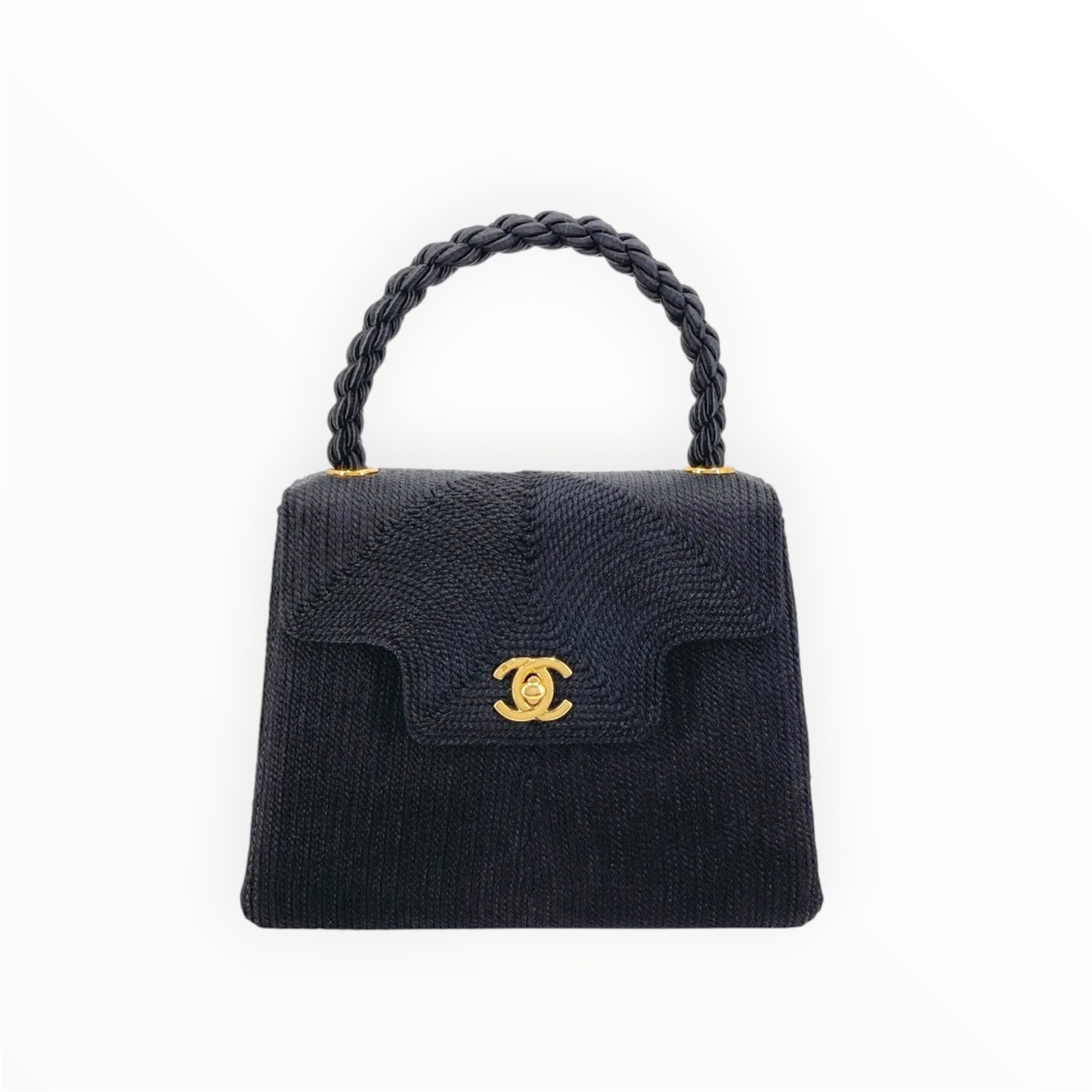
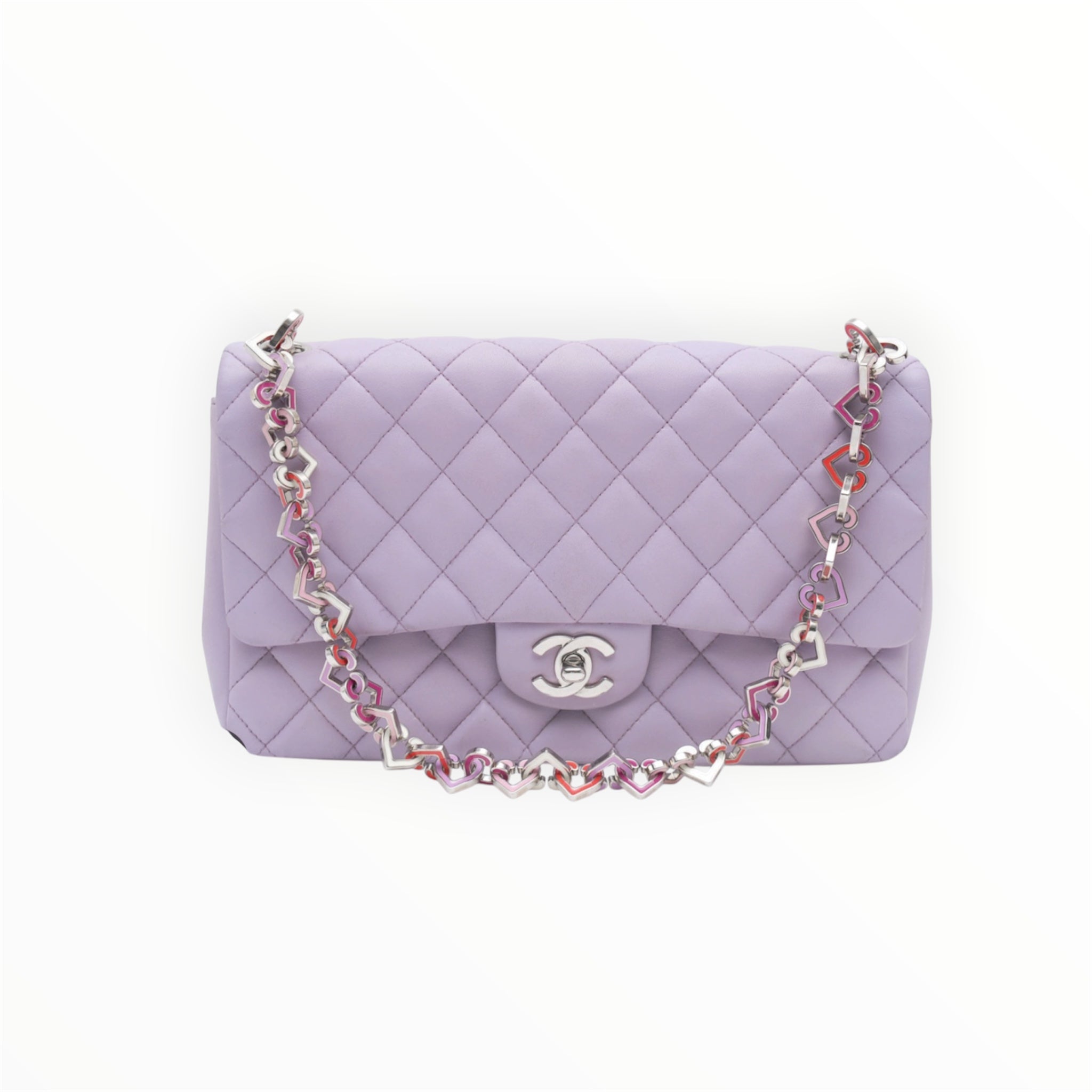
For a collector piece with real presence, consider the Vintage Chanel Silk Rope Mini Kelly Flap Bag from 1997, a woven silk rope piece with 24k gold plated hardware and its authenticity card. For everyday wear in a lighter palette, the Chanel Lavender Quilted Flap Bag with Heart-Link Chain pairs diamond quilting with a distinctive chain.
Request a Video Inspection Before You Commit
Photos tell part of the story. A short video shows how the chain moves, how the flap closes, and how the bag sits when worn.
At LuxuryEliteFinds, we offer personalized video verification so you can see the exact piece before checkout, along with meticulous packaging.
Choosing a vintage Chanel crossbody rewards patience. Measure the drop, weigh the leather honestly, inspect the structure, and buy from a seller who shows you everything.
Frequently Asked Questions
Which vintage Chanel bag is best for wearing crossbody?
The best vintage Chanel crossbody depends on your frame and what you carry. A Mini Kelly or small flap with a chain strap works for evenings and light days, while a medium flap with a longer strap drop suits daily use. Check the strap drop against your torso length before buying, and confirm the chain is long enough to sit comfortably across your body rather than under your arm.
How can I tell if a vintage Chanel bag is authentic?
Start with the details that are hardest to copy: the serial number sticker inside, the authenticity card, and whether the numbers match. Examine the interlocking CC turn-lock and the interior stamp. Ask the seller for close-up photos of the hologram sticker and card, and request a video inspection so you can see the hardware and lining in motion before you pay.
What should I inspect when buying a pre-owned Chanel crossbody bag?
Look at the corners for rubbing, the base for sagging or an uneven shape, and the flap for creasing. Check the chain strap for tarnish or stretching, the turn-lock for smooth closure, and the interior for stains or odor. Ask for photos of every angle, including the bottom and the strap attachment points, and confirm whether the authenticity card and dust bag are included.
Are vintage Chanel bags from the 1980s or 1990s a good choice?
Many collectors prize vintage pieces from this period for their classic proportions. Condition matters more than the year, so assess wear, structure, and whether the serial number and card are present before deciding.