

How to Buy Rare Vintage Designer Bags With Confidence
Last Updated: November 1, 2026
Quick Summary
To buy rare vintage designer bags with confidence, authenticate construction details like interior stamps, stitching, hardware engraving and materials, then grade condition and compare recent sold listings rather than asking prices. Set your budget and purpose first, and factor authentication fees, repairs, shipping and duties into the total cost before you commit.
- Decide purpose, era and budget ceiling before you browse any listings.
- Three or four agreeing construction signals prove authenticity better than a serial number.
- Condition grades run from pristine to fair and should drive price more than brand name.
- Build comp sets from recent sold listings matching model, era, condition and accessories.
- Pay through a method with dispute protection and get return terms in writing.
Table of Contents
- Start With a Plan: What Makes a Vintage Designer Bag Worth Buying
- How to Authenticate Vintage Designer Bags Before You Pay
- The Vintage Designer Bag Condition Guide: Grade Before You Buy
- Where to Buy Vintage Designer Bags: Platforms, Consignment, and Specialists
- TheRealReal vs Fashionphile for Vintage Bags: What the Difference Means for You
- How to Research Fair Market Value and Total Purchase Cost
- Iconic Vintage Styles Worth Collecting: Chanel, Gucci, and Fendi
- Submit a Sourcing Request for the Rare Bag You Actually Want
- Frequently Asked Questions
Start With a Plan: What Makes a Vintage Designer Bag Worth Buying
Buying a rare vintage designer bag is a research exercise before it is a shopping one.
A vintage designer bag is a pre-owned piece from a luxury house's earlier collection, valued for its era-specific construction, rarity, and cultural significance rather than current-season availability.
Before you browse, decide three things:
- Purpose: daily wear, collection, or resale. Each demands a different condition threshold.
- Era: specific years and collections carry different collector demand.
- Budget ceiling: set it before you fall for a listing, not after.
If you want the full framework first, our guide on how to buy vintage luxury bags walks through the collector's approach from scratch.
How to Authenticate Vintage Designer Bags Before You Pay
Authentication of vintage designer bags starts with construction details that counterfeiters rarely reproduce correctly: interior stamps, stitching tension, hardware engraving, and material feel. For a practical companion, see our seven key fake-spotting checks.
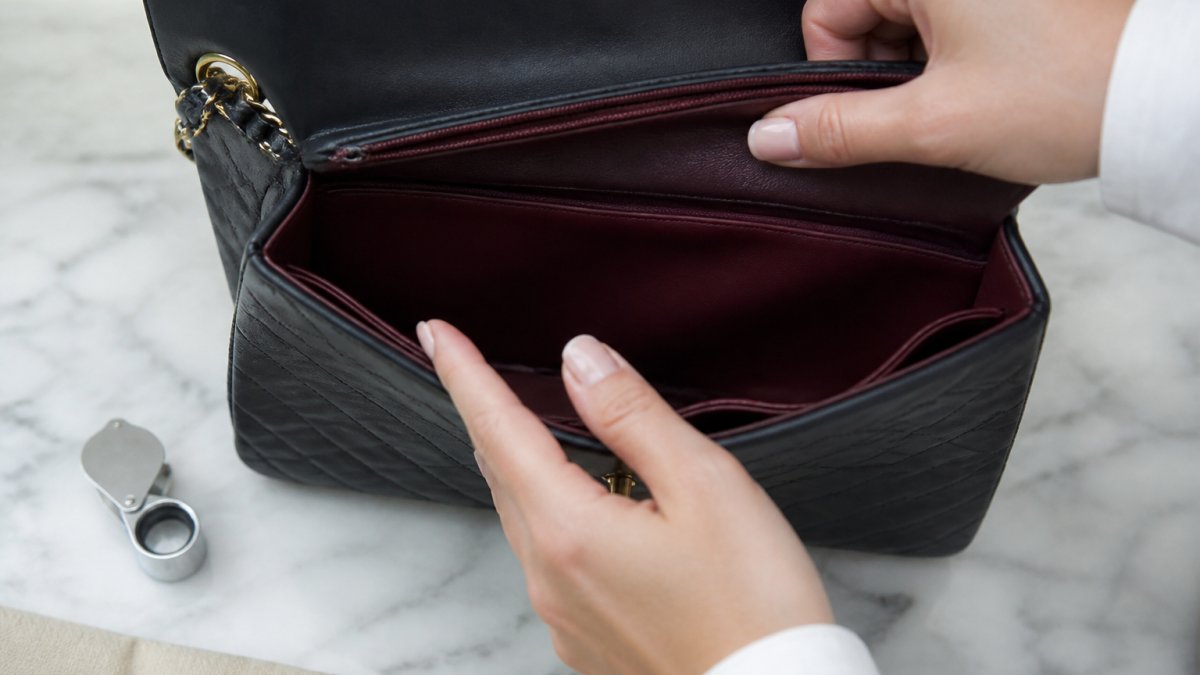
The Step-by-Step Authentication Checklist
Run this list on every bag, in this order, and note what you observe at each step:
- Interior stamp: font weight, spacing, and placement match the stated era. A stamp that looks modern on a bag claimed to be from the 1980s is a red flag.
- Stitching: even tension, correct thread color, no loose or glued seams. Hand-finished vintage stitching has a slightly irregular rhythm that machine-perfect counterfeits often lack.
- Hardware: engraving depth, plating color, and screw type consistent with the year. Hardware is where era-specific details are most visible.
A common mistake is treating a serial number as proof. Counterfeiters copy numbers. Construction is harder to fake.
Reading Era-Specific Details: What to Look For by Decade
The most reliable authentication skill is knowing how a house's construction changed over time. Three examples from our specialties:
- Vintage Chanel: Interior stamps, hardware plating, and chain construction shifted across decades. A bag presented as 1990s should show hardware and stamping consistent with that period, not with later re-editions.
- Vintage Fendi Baguette: The Baguette's materials, from sequins to embroidered canvas to leather, changed with each collection, and the interior labeling and hardware reflect those shifts. A Baguette with modern hardware on a bag claimed to be an early production piece deserves scrutiny.
- Dior Saddle Bag: Early Saddle Bags and modern re-editions share a silhouette but differ in hardware finish, interior labeling, and strap attachment. Knowing which details belong to which era is the difference between buying a collectible and buying a re-edition at a vintage premium.
When to Walk Away
Some listings are not worth further investigation. Walk away when the seller refuses video verification, when the price is far below comparable sold listings with no explanation, when provenance documents look reprinted rather than original, or when the seller cannot answer basic questions about the bag's era. We provide video verification on request.
The Vintage Designer Bag Condition Guide: Grade Before You Buy
Condition grading for vintage designer bags runs from pristine to fair, and the grade should drive the price more than the brand name does. Pristine means no visible wear. Excellent allows minor hardware dulling. Very good shows light corner rub or faint interior marks.
Ask for photos of corners, handle bases, interior lining, and hardware edges. Those four areas reveal most of the real condition story.
Estimating Repair Costs and What They Mean for Value
Repair estimates change the math. A bag needing corner refinishing, hardware replating, or relining carries a cost beyond the purchase price, and that cost should come off your offer.
Watch out: a seller who lists a bag as "pristine" without close-ups of corners and hardware is telling you nothing. For a deeper grading walkthrough, read our guide on how to check vintage Chanel bag condition.
Where to Buy Vintage Designer Bags: Platforms, Consignment, and Specialists
Rare vintage designer bags surface through four channels: large resale marketplaces, consignment stores, specialist dealers, and private sellers. Each carries a different balance of selection, authentication rigor, and buyer protection.
| Channel | Selection | Authentication | Buyer Protection |
|---|---|---|---|
| Large marketplaces | Broad | Varies by listing | Platform-dependent |
| Consignment stores | Curated, local | Usually in-house | Store policy |
| Specialist dealers | Rare, narrow | Deep expertise | Dealer reputation |
| Private sellers | Unpredictable | Buyer's responsibility | Minimal |
Marketplaces give you volume but inconsistent vetting. Consignment stores offer curation but limited rare inventory. If you are weighing platforms, our guide to RealReal alternatives for rare vintage finds covers other options.
Buying Safely From Private Sellers
Private sales carry the most risk and the best prices. Protect yourself with three rules: pay through a method with dispute protection, insist on video showing the bag in natural light, and get the return terms in writing before payment. Never wire funds to a stranger, no matter how convincing the story.
Vintage Chanel Silk Rope Mini Kelly Flap Bag 24K GHW 1997 →
TheRealReal vs Fashionphile for Vintage Bags: What the Difference Means for You
TheRealReal and Fashionphile differ mainly in authentication process and return windows, and that difference matters more for vintage than for modern bags. Large platforms authenticate at scale, which works well for common pieces and less well for rare, era-specific items where expertise is thin.
For a five-figure vintage purchase, the question is not which platform is bigger. It is who can answer specific questions about a 1997 production run. Smaller specialists often can.
How to Research Fair Market Value and Total Purchase Cost
Fair market value for a vintage designer bag comes from comparable sold listings, not asking prices. Search completed sales for the same model, era, and condition, then average the middle of that range. Asking prices inflate the picture because unsold listings stay visible. The discipline is in filtering comps correctly before you average anything.
Building a Comparable Sales Set
A useful comp set has four filters:
- Same model and era. A 1990s Chanel flap and a modern re-edition are not comparable, even if the silhouette looks similar. Match the production period, not just the style name.
- Same condition grade. A pristine example and a fair example of the same bag are different markets. Compare like with like.
- Same included accessories. Original dust bag, card, and receipt affect collector demand. A bag with full set commands more than a bag alone, and your comp set should reflect that.
- Recent sales only. Older sold listings reflect a different market. Weight recent completed sales more heavily than older ones.
That middle is your working fair value. If a listing sits far below it with no explanation, treat that as a question to investigate, not a bargain to grab.
Accounting for Rarity, Condition, and Accessories
Rarity cuts both ways. A genuinely rare piece may have few comps, which makes valuation harder, in that case, widen your search to similar-era pieces from the same house and adjust for the rarity premium conservatively. Condition is the more reliable adjustment: a bag needing corner refinishing, hardware replating, or relining should be priced below a comparable example in better condition, and the repair estimate should come off your offer.
Total Purchase Cost: The Full Ledger
Total purchase cost includes more than the bag:
- Purchase price
- Authentication or appraisal fees
- Repairs and refinishing
Add those before you decide a listing is a bargain. A cheaper bag needing relining can cost more than a pristine example. This is where most first-time buyers get caught. For international purchases, duties and shipping insurance can meaningfully change the final number, and return shipping may not be covered if you send a bag back. Read the seller's return policy before payment, not after.
If you are sourcing a specific rare piece, our sourcing service can help you compare realistic market expectations before you commit. Tell us the model, era, and condition you want, and we will help you understand what the market actually looks like.
Iconic Vintage Styles Worth Collecting: Chanel, Gucci, and Fendi
Collector demand concentrates on a handful of silhouettes. The Fendi Baguette, Chanel flap variations, Gucci bamboo-handle pieces, and the Dior Saddle Bag anchor most serious vintage collections because their era-specific details are hard to reproduce.
Three standouts from our current selection:
- Vintage Chanel Silk Rope Mini Kelly Flap Bag, 1997. Woven silk rope with 24k gold-plated hardware. A true collectible evening piece.
- Fendi Purple Sequin Baguette. Pristine, never used, with two straps and dust bag included. The Baguette remains the defining Fendi vintage silhouette.
- Vintage Gucci Bamboo Handle Floral Raffia Hobo. Three-dimensional floral embroidery and a natural bamboo handle, a rare statement piece from the early 2000s.
For Chanel specifically, our guide on what makes a vintage Chanel flap bag collectible explains which details drive collector value.
Submit a Sourcing Request for the Rare Bag You Actually Want
The rarest vintage designer bags rarely appear in a search filter. They surface through relationships, early access, and knowing which collections to watch. Tell us the model, era, and condition you want, and we will help you source it.
A customer shared: "I was so lucky to find this rare and shockingly beautiful piece with Luxury Elite Finds and add it to my collection."
Frequently Asked Questions
How can you tell if a vintage designer bag is authentic?
Check the details counterfeiters rarely get right: stamping depth and font, stitching density and alignment, hardware weight and engraving, and interior labels. Cross-reference the date code or serial against the era the bag claims to be from. Ask for close-up photos of the stamp, zipper pulls, and hardware engravings before paying. A certificate or authenticity card helps, but it is not proof on its own. When buying vintage designer bags online, request a video walkthrough so you can see the item in motion, not just in staged photos.
What should you check when buying a vintage designer bag?
Start with the seller: reviews, return policy, and whether they answer detailed questions. Then assess condition honestly: corner rub, handle wear, interior staining, hardware tarnish, and odor. Confirm what is included, such as dust bag, card, or strap. Ask how the item ships and whether signature is required. Finally, compare the asking price against recent sold listings for the same style and era, not just active listings, so you know whether the number is fair.
Where can you buy rare vintage designer bags?
Options include large resale platforms, consignment stores, specialist vintage boutiques, and private sellers. Large platforms offer buyer protection but rarely carry truly rare pieces. Specialist sellers like LuxuryEliteFinds focus on out-of-production and limited-edition styles, and a sourcing service can track down a specific bag you cannot find listed. If you buy from a private seller, insist on detailed photos, a video, and a payment method with protection. Compare at least three sources before committing to a rare piece.
How do you assess the condition of a vintage handbag?
Grade it across five areas: exterior leather or fabric, corners and edges, handles and straps, hardware, and interior. Ask for photos of each in natural light. Minor wear is normal for a bag that is decades old and does not necessarily reduce value much, but structural issues like cracked leather, broken stitching, or heavy hardware pitting do. Get a repair estimate before buying anything with visible damage, and factor that cost into what you are willing to pay.
Hunting a specific out-of-production piece can take months of dead ends. LuxuryEliteFinds handles that search for you, with a special request sourcing service, video quality verification before you commit, and meticulous packaging on every shipment. Get started with LuxuryEliteFinds and find the rare bag your collection is missing.